In laboratory research, the reliability of results depends heavily on the quality of the materials used. For peptides, “high quality” is not a single number — it is the combination of several measurable attributes that together determine whether a compound is suitable for rigorous scientific work. Understanding these attributes helps researchers evaluate suppliers and select materials that support reproducible outcomes.
1. Chemical Purity
Purity, typically measured by analytical HPLC, indicates the percentage of the target peptide relative to process-related impurities. Research-grade material commonly targets ≥98% to ≥99.5% purity. High purity reduces the risk that side products will interfere with assays or produce confounding biological effects.
2. Confirmed Molecular Identity
Purity alone does not prove the main component is the intended sequence. Mass spectrometry (MS) compares the observed molecular weight to the theoretical mass calculated from the amino acid sequence. A precise match provides strong evidence of correct identity. Advanced methods such as MS/MS can offer further sequence-level confirmation when needed.
3. Low Endotoxin Content
Endotoxins (bacterial lipopolysaccharides) can activate immune pathways and distort results in cell-based or in vivo models. The Limulus Amebocyte Lysate (LAL) assay quantifies endotoxin levels, usually reported in EU/mg. Many researchers prefer material tested below 0.5 EU/mg for sensitive applications.
4. Traceability and Documentation
Every batch should carry a unique lot number linked to a complete Certificate of Analysis (COA). The COA should include purity data, mass spectrometry results, endotoxin levels, testing dates, and the identity of the laboratory that performed the analyses. Independent, third-party testing adds an extra layer of credibility.
5. Controlled Manufacturing and Stability
Reliable peptides are typically produced via Fmoc solid-phase peptide synthesis, purified by preparative HPLC, and lyophilized under controlled conditions. Proper lyophilization supports long-term stability when the material is stored correctly (generally –20 °C or colder, protected from moisture and light).
6. Additional Quality Checks
Depending on the intended use, researchers may also look for heavy-metal screening (e.g., ICP-MS), solubility verification, and, for complex sequences, optional NMR data. These extra controls further reduce the chance of unexpected variables entering an experiment.
How Phorm Labs Addresses These Attributes
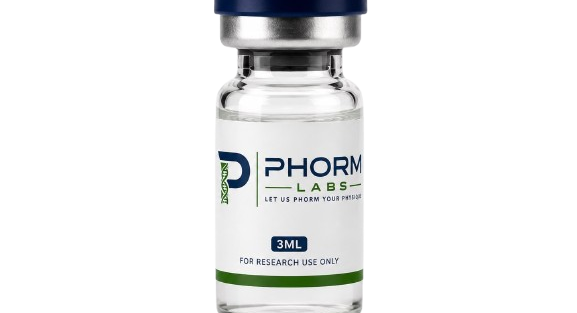
At Phorm Labs, every research peptide is manufactured and verified with these standards in mind:
- Fmoc SPPS synthesis with automated monitoring
- Preparative HPLC purification
- Independent third-party testing for HPLC purity, mass spectrometry identity, endotoxins (LAL), and related parameters
- Controlled lyophilization and batch-specific Certificates of Analysis supplied with every vial
This multi-level approach is designed to give qualified researchers material they can document, track, and use with greater confidence.
Choosing Materials That Support Good Science
When evaluating any research peptide, look beyond a single purity claim. Ask whether identity has been confirmed, whether endotoxin and other contaminants have been measured, and whether full batch documentation is readily available. These details form the foundation of reliable laboratory work.
Explore the Phorm Labs catalog to review research peptides produced under controlled conditions and backed by comprehensive third-party testing. All products are supplied strictly for qualified laboratory research and analytical applications only.
Quality is measurable. Reliability is verifiable. Research with confidence.
This content is provided for educational purposes regarding research peptide quality attributes. All Phorm Labs products are for research use only and are not intended for human consumption, diagnostic, or therapeutic use.