
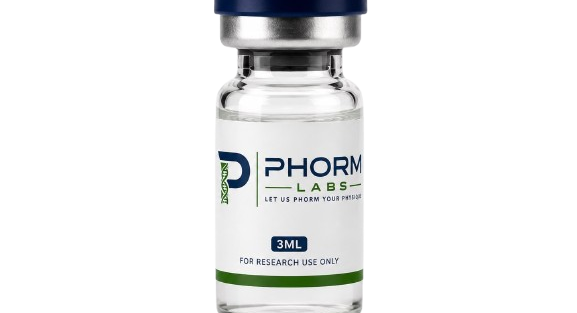
The journey of a research peptide does not end with synthesis and purification. One of the most important final manufacturing steps is lyophilization — the controlled freeze-drying process that converts a purified peptide solution into a stable, dry powder. When performed correctly, lyophilization significantly enhances long-term stability and supports reliable performance in the laboratory.
What Is Lyophilization?
Lyophilization (freeze-drying) involves freezing the peptide solution and then removing water under vacuum through sublimation. The result is a dry, porous cake or powder sealed inside a sterile vial. This dry form is far more stable than a liquid solution because many chemical degradation pathways require water to proceed efficiently.
Why Controlled Conditions
MatterNot all lyophilization processes are equal. Key variables that influence the quality of the final product include:
- Freezing rate and final temperature
- Primary and secondary drying conditions
- Residual moisture content
- Protection from oxygen and light during processing
- Consistency of cake appearance and structure
Poorly controlled lyophilization can lead to higher residual moisture, collapsed cakes, reduced solubility, or accelerated degradation during storage. In contrast, a well-optimized process produces a uniform, low-moisture product that maintains integrity when stored under recommended conditions (typically –20 °C or colder, protected from moisture and light).
Benefits for Laboratory Researchers
High-quality lyophilized research peptides offer several practical advantages:
- Extended shelf life in the dry state
- Easier handling and accurate weighing
- Improved solubility characteristics when properly reconstituted
- Reduced risk of degradation during shipping and storage
- Greater confidence in lot-to-lot physical consistency
These attributes help researchers maintain material quality from the moment the vial arrives until it is prepared for experimental use.
How Phorm Labs Approaches Lyophilization
At Phorm Labs, controlled lyophilization is a standard part of the production workflow. After Fmoc solid-phase synthesis and preparative HPLC purification, peptides are freeze-dried under carefully monitored conditions and sealed in sterile glass vials. This step is designed to support maximum stability while preserving the high purity and identity confirmed through independent testing (HPLC, mass spectrometry, endotoxin analysis, and related quality checks).
Every batch is accompanied by a Certificate of Analysis linked to a unique lot number, giving researchers full visibility into the material’s quality profile.
Supporting Reliable Downstream Use
Even the best lyophilized peptide requires proper laboratory handling. Allowing vials to reach room temperature before opening, minimizing moisture exposure, and following appropriate reconstitution practices all help preserve the stability that controlled lyophilization is intended to provide.
Quality That Extends Beyond Synthesis
From sequence assembly to final sealed vial, each stage of production influences the performance of a research peptide. Controlled lyophilization is a critical link in that chain — one that helps transform a purified compound into a stable, research-ready material.
Explore the Phorm Labs catalog to view high-purity research peptides produced with attention to synthesis, purification, analytical verification, and stability-focused lyophilization. All products are supplied strictly for qualified laboratory research and analytical applications.
Stable from the start. Reliable in the lab. Research with confidence.
This content is provided for educational purposes regarding research peptide manufacturing and stability. All Phorm Labs products are for research use only and are not intended for human consumption, diagnostic, or therapeutic use.