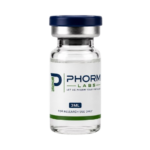

In laboratory research, scientists sometimes investigate multiple peptides within the same experimental design. These approaches are often referred to as “stacks” or combination studies. When properly planned, studying peptides together can provide valuable insights. However, there is an important distinction between designing combination experiments and physically mixing peptides in the same vial or syringe. Understanding both the potential research value and the practical risks is essential for generating reliable data.
Potential Benefits of Research Peptide Stacks in Experimental Design
When researchers study peptides in combination under controlled laboratory conditions, several scientific advantages may emerge:
- Exploration of complementary pathways — Different peptides may interact with distinct receptors or signaling cascades. Examining them together can help researchers observe potential additive, synergistic, or regulatory effects in cell-based or animal models.
- Improved experimental efficiency — Combination studies can reduce the number of separate experimental arms needed to evaluate multiple compounds, saving time and resources while still allowing comparison against individual treatments.
- Investigation of biological interactions — Some research questions specifically focus on how one peptide may influence the activity, stability, or downstream effects of another.
- Closer modeling of complex systems — Biological systems rarely operate through a single signaling molecule. Studying defined combinations can better approximate multi-factor environments under tightly controlled conditions.
Professionally manufactured research blends (produced under controlled conditions with compatibility and stability assessment) are one way suppliers support these types of studies. These differ significantly from ad-hoc mixing performed after the peptides have been shipped.
Why Peptides Should Not Be Mixed in the Same Vial or Syringe
Despite the research interest in combination studies, physically combining separate research peptides in the same vial or syringe is generally not recommended. Several scientific and practical reasons support this guidance:
- Chemical Incompatibility
Peptides can differ in optimal pH, charge, and solubility. Mixing them may cause precipitation, aggregation, or unexpected chemical reactions that degrade one or both compounds. - Differing Stability Profiles
Each peptide has its own sensitivity to oxidation, hydrolysis, light, and temperature. Combining them can accelerate degradation of the more labile sequence. - Loss of Analytical Clarity
Once mixed, it becomes difficult to verify the concentration, purity, or integrity of each individual peptide. This complicates quality control and makes it harder to interpret experimental results. - Risk of Unintended Byproducts
Reactive side chains (such as free thiols in cysteine-containing peptides) can form disulfide bonds or other cross-links when peptides are combined, potentially creating new species that were not present in the original materials. - Compromised Reproducibility
Ad-hoc mixtures introduce uncontrolled variables. Different mixing ratios, order of addition, or storage times can produce inconsistent results between experiments or between laboratories. - Documentation and Traceability Challenges
Batch-specific Certificates of Analysis apply to individual peptides. Once mixed by the end user, the original documentation no longer fully describes the material being tested.
Best Practices for Combination Research
When a study requires evaluation of multiple peptides:
- Prepare and store each peptide separately according to its recommended conditions.
- Reconstitute each compound individually using appropriate solvents and techniques.
- Introduce them into the experimental system separately (or according to a validated co-administration protocol designed for that specific study).
- Maintain clear records of lot numbers, concentrations, and preparation details for every peptide used.
Professionally produced research blends undergo compatibility assessment, controlled manufacturing, and batch-specific testing. These are fundamentally different from user-prepared mixtures.Supporting Rigorous Combination Studies
At Phorm Labs, individual research peptides and select pre-formulated research blends are manufactured under controlled conditions and verified through independent testing (HPLC purity, mass spectrometry identity, endotoxin levels, and related quality attributes). Each product ships with batch-specific documentation so researchers can maintain full traceability.
Whether working with single peptides or evaluating combinations in carefully designed experiments, starting with well-characterized, separately documented materials helps protect data quality.
Explore the Phorm Labs catalog for high-purity research peptides and selected research blends, all supplied strictly for qualified laboratory research and analytical applications.
Study combinations thoughtfully. Handle peptides separately. Research with precision.
This content is provided for educational purposes regarding laboratory research practices. All Phorm Labs products are for research use only and are not intended for human consumption, diagnostic, or therapeutic use. Researchers should never mix peptides in the same vial or syringe unless following a specifically validated experimental protocol.