In the world of research peptides, the difference between reliable data and compromised results often comes down to one critical document: the Certificate of Analysis (COA). For laboratory professionals and research institutions, a batch-specific COA is not just paperwork — it is the primary evidence that the compound in the vial matches its claimed identity, purity, and quality specifications.
What Is a Certificate of Analysis?
A Certificate of Analysis is a formal report issued by a testing laboratory that documents the analytical results for a specific production batch. For research peptides, a complete and trustworthy COA should confirm:
- Identity — Mass spectrometry (MS) verifies that the observed molecular weight matches the theoretical value for the intended sequence.
- Purity — Analytical HPLC quantifies the percentage of the target peptide versus related impurities (typically reported as ≥98–99.5%+ for high-quality research material).
- Additional quality metrics — Endotoxin levels (LAL test), heavy metals, and sometimes sequence confirmation or solubility data.
- Traceability — A unique lot or batch number that matches the vial label, along with the testing date and laboratory details.
Importantly, the most reliable COAs come from independent, ISO-accredited third-party laboratories rather than solely in-house testing. This independence reduces the risk of bias and strengthens confidence in the reported results.
Why Purity and Verification Directly Impact Research Outcomes
Even small amounts of impurities — truncated sequences, oxidation products, residual reagents, or endotoxins — can influence experimental outcomes. In cell-based assays, receptor-binding studies, or animal models, contaminants may produce off-target effects, reduce reproducibility, or complicate data interpretation. High HPLC purity combined with confirmed identity helps ensure that observed results can be attributed to the intended peptide rather than unknown variables.
Researchers increasingly treat ≥98% HPLC purity (with supporting chromatogram and mass spectrometry data) as a practical benchmark for research-grade material. Lower or unverified purity introduces unnecessary uncertainty into otherwise carefully designed studies.
How Phorm Labs Approaches Quality Documentation
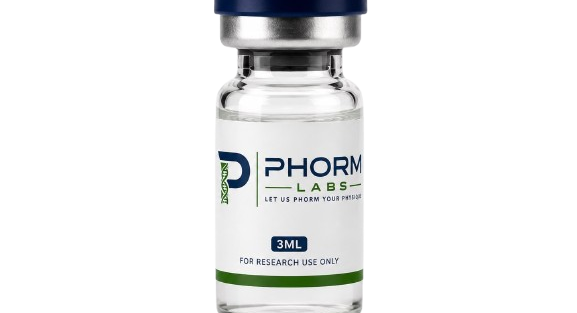
At Phorm Labs, every research peptide is accompanied by a batch-specific Certificate of Analysis. Our process includes:
- Solid-phase peptide synthesis using Fmoc chemistry
- Preparative HPLC purification
- Independent third-party testing for purity (HPLC), identity (mass spectrometry), endotoxins, and related parameters
- Full documentation provided with every order, including downloadable COAs tied to unique lot numbers
This multi-level verification supports the reproducibility and transparency that modern laboratory research demands.
Practical Tips for Evaluating a Peptide COA
When reviewing documentation from any supplier, look for:
- Matching lot numbers between the COA and the physical vial
- Clear HPLC purity percentage with method details
- Mass spectrometry confirmation of molecular weight
- Identification of the testing laboratory
- Endotoxin results when relevant to the planned assays
A generic or incomplete COA (missing chromatograms, lot numbers, or independent lab details) should raise questions about the material’s suitability for rigorous research.
Supporting Confident Research
Reliable peptide research begins with reliable materials. Batch-specific, independently verified Certificates of Analysis give researchers the documentation needed to move forward with greater confidence in their experimental foundation.
Explore the Phorm Labs catalog to review available research peptides, each backed by transparent testing and full batch documentation. All compounds are supplied strictly for qualified laboratory research and analytical applications only.
Research with verified precision. Demand documentation you can trust.
This content is provided for educational purposes regarding research applications. Phorm Labs products are for research use only and are not intended for human consumption, diagnostic, or therapeutic use.